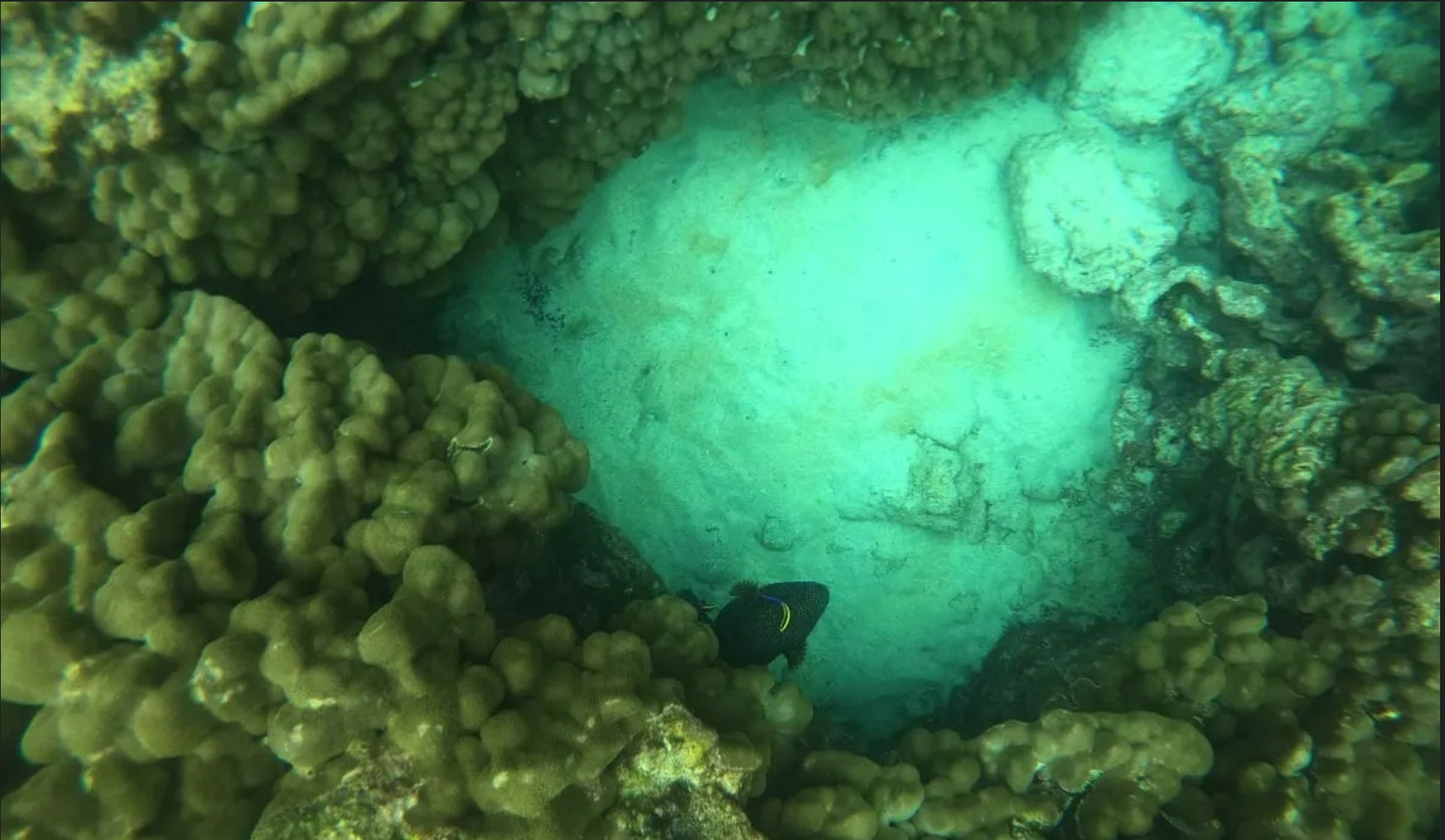
Fukushima Daiichi Nuclear Accident
The IAEA’s Incident and Emergency Centre (IEC) received information from the International Seismic Safety Centre at approximately 08:15 Vienna Time concerning an earthquake with a magnitude of 9.0 near the east coast of Honshu, Japan’s main island.
This was followed by an accident at the Fukushima Daiichi Nuclear Power Station, which was ultimately categorized as a Level 7 — Major Accident — on the International Nuclear and Radiological Event Scale. In the initial days following the accident, the IAEA established teams to evaluate key nuclear safety elements and assess radiological levels.
The IAEA Laboratories reviewed environmental data provided by the Japanese authorities on monitoring of the marine environment and also received terrestrial environment samples for independent analysis to examine and assess the radiation levels. The IAEA posted daily updates for its Member States and the public on the IAEA website to provide information on the actions taken soon after the accident.
By September 2011, the IAEA developed the Action Plan on Nuclear Safety (Action Plan), endorsed by IAEA Member States, which defined a programme of work to strengthen the global nuclear safety framework in response to the accident. In addition to the Action Plan, a great deal of work has been conducted worldwide to strengthen nuclear safety.
Through initiatives such as the European Stress Test, the adoption of the Vienna Declaration on Nuclear Safety in accordance with the objectives of the Convention on Nuclear Safety, as well as the multitude of national and regional initiatives, many safety improvements have been developed and implemented.
Work to implement the Action Plan went on to form part of the 2015 Fukushima Daiichi Accident Report and its five accompanying Technical Volumes. They addressed the accident’s causes and consequences and provided a comprehensive understanding of what happened and why, as well as lessons learned. They consider the accident itself, emergency preparedness and response, radiological consequences of the accident, post-accident recovery and the activities of the IAEA following the accident. Measures were taken, both in Japan and internationally.
Since 2013 the IAEA has led five international peer review missions on the Mid-and-Long-Term Roadmap towards the Decommissioning of the Fukushima Daiichi Nuclear Power Station. The IAEA also continues to provide assistance to the Fukushima Prefecture government in radiation monitoring and remediation. In the framework of a 3-year project,‘Marine Monitoring: Confidence Building and Data Quality Assurance,’ the IAEA through its Environment Laboratories assists the Government of Japan in making the Sea Area Monitoring Plan comprehensive, credible and transparent. These missions focus on the progress, achievements, challenges and environmental remediation activities taking place in off‑site areas affected by the accident. Information on this support can be found here.
Through a set of technical measures, the IAEA also verifies that States are honouring their international legal obligations to use nuclear material and technology for peaceful purposes only – a process known as nuclear safeguards. The accident at the Fukushima Daiichi site presented a unique challenge in fulfilling this mandate. Following the accident, the IAEA established a new approach and developed innovative technologies to re-verify that recovered nuclear material is not diverted towards military purposes as it becomes available. The IAEA also applies optical and radiation surveillance measures coupled with short-notice inspections and complementary accesses to address inaccessible nuclear material. As facilities are yet to be decommissioned and nuclear material remains on-site, the IAEA will be required to implement safeguards at the Fukushima Daiichi site well into the future.
The IAEA is continuously strengthening and increasing its peer review and advisory missions to Member States, which are conducted at their request. The IAEA Safety Standards have also been reviewed and, where appropriate, revised. All this and several other measures such as the Action Plan on Nuclear Safety are major contributions of the IAEA to further strengthening nuclear safety worldwide after the Fukushima Daiichi accident.
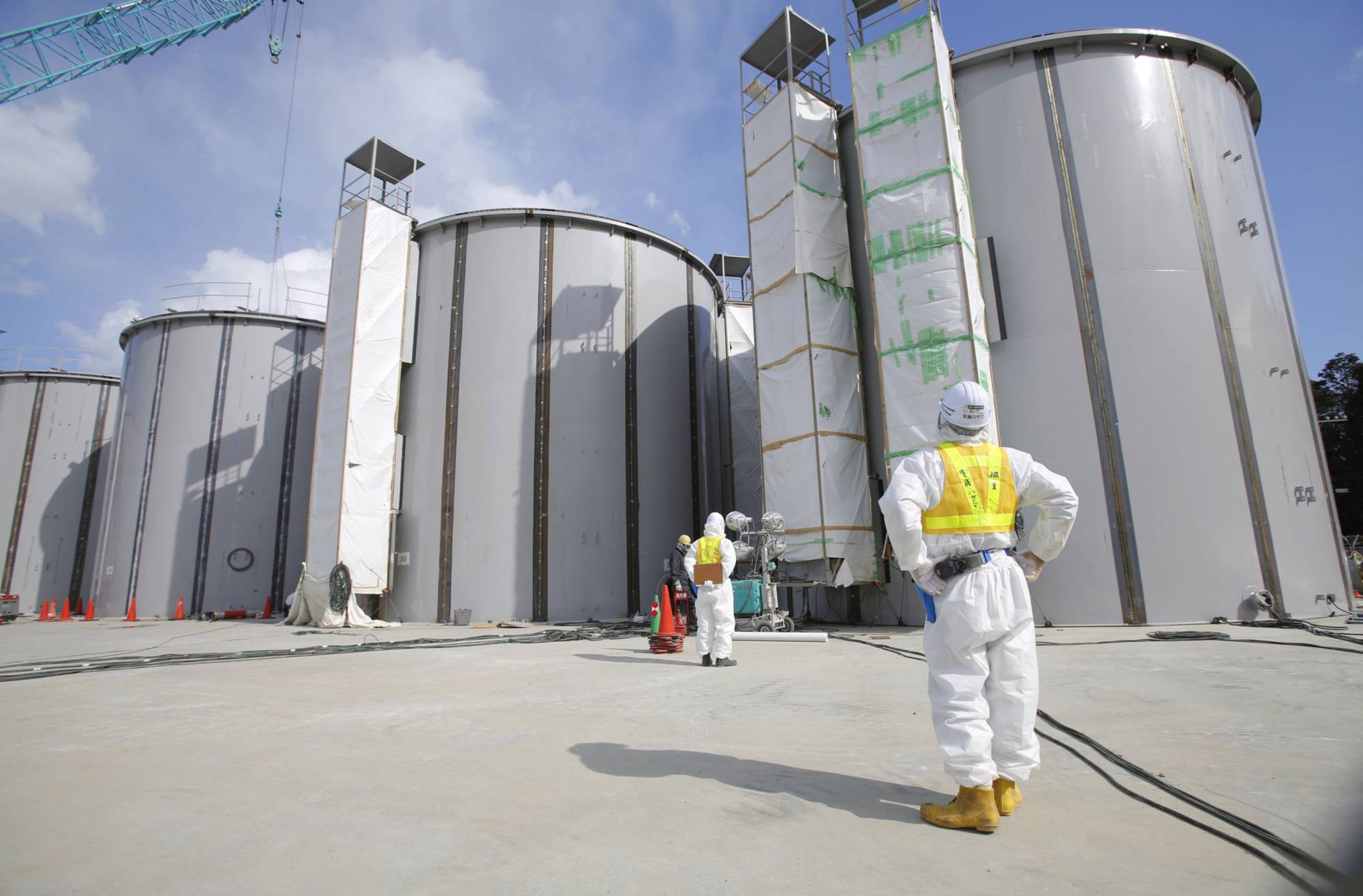
After the announcement of its basic policy in April 2021 to discharge the treated water from the Fukushima Daiichi Nuclear Power Plant into the sea, the Government of Japan requested assistance from the IAEA to review the country’s plans and activities.
The IAEA’s assistance will address safety aspects of the handling of the water stored at the Fukushima Daiichi Nuclear Power Plant — related to radiation safety of the public and the environment — as well as transparency. The review will be conducted against international safety standards, which constitute a global reference for protecting people and the environment and contribute to a harmonized high level of safety worldwide.
The IAEA and Japan on 8 July 2021 agreed on the scope of technical assistance the Agency will provide. The signing of the Terms of Reference marks an important step as the document sets out the broad framework for how the IAEA will review Japan’s plans and activities related to the water discharge.
Why do we care?
- They haven’t properly tested the water and the treatment plan. The Pacific science community, including the National Association of Marine Laboratories, Pacific Islands Forum, Pacific Islands groups and South Korea is pushing back. TEPCO’s current plan hasn’t been properly studied. The data they’ve provided is inadequate, incomplete, and inconsistent which is dangerous, and releasing this much nuclear water in the ocean could have disastrous health impacts on ocean and human life. This could destroy fisheries all over the pacific.
Ask
- We urge TEPCO, the Japanese government, the NRA, and the IAEA to STOP THE DUMP. They have not proven their methods work. They have not operated with scientific due diligence. The health of the world is at stake.
- We also ask the IAEA and NRA to update their nuclear dump standards to be in line with the latest science.
- Bob Richmond, part of the PIF expert panel, states that the policies that are being used now, including the ones that we've been up against with the International Atomic Energy Agency, and partners in this effort, now are simply outdated and they don't reflect the best available science with the knowledge we have today.
- Common misconceptions are that drinking tritium is safe, but this is simply not true. Latest science shows that ingesting tritium mutates mitochondrial DNA, causing cancers and organ failure, with detrimental effects on fetal development
News Coverage:
- Incomplete scientific coverage: Important global media companies like the NYT have written about this, but unfortunately did not dive into the science about how dangerous this is. They seem to have regurgitated TEPCO’s talking points. The NYT article quotes outdated science that says Tritium is relatively safe, however latest science shows that ingesting tritium mutates mitochondrial DNA, causing cancers and organ failure, with detrimental effects on fetal development. The safety standards are out of date with the science.
- Well-researched coverage: Japan Times, for instance, actually dove into the science from the expert scientist panel. The Guardian’s opinion piece shares more scientific details and concerns of the PIF.
Other researchers in opposition include:
- Dr. Ken Buesseler, PhD Marine Chemistry. Senior Scientist, Marine Chemistry & Geochemistry, Woods Hole Oceanographic Institution
- Dr. Arjun Makhijani, PhD Engineering, Specializing in Nuclear Fusion. President & Board of Director, Institute for Energy and Environmental Research
- Dr. Antony Hooker, PhD Molecular Biology. Associate Professor and Director, Centre for Radiation Research Education and Innovation, The University of Adelaide
- Dr. Ferenc Dalnoki-Veress, PhD High Energy Physics. Scientist-in-Residence, James Martin Center for Nonproliferation Studies. Adjunct Professor, Middlebury Institute of International Studies at Monterey
- Dr. Robert H. Richmond, PhD Biological Sciences. Research Professor and Director. Kewalo Marine Laboratory
- University of Hawaii at Manoa
- Shaun Burnie Senior Nuclear Specialist. Greenpeace Germany
- Henry Puna Secretary General. Pacific Islands Forum
- Shin Jae-young Head of Marine Conservation Division. South Korean Ministry of Oceans and Fisheries
- Rhea Moss-Christian Executive Director. Western and Central Pacific Fisheries Commission (WCPFC)
- Arnie Gundersen, ME, BS Nuclear Engineering. Chief Engineer & Director Fairewinds Energy Education